Katana Staking Guide: vKAT vs avKAT Explained
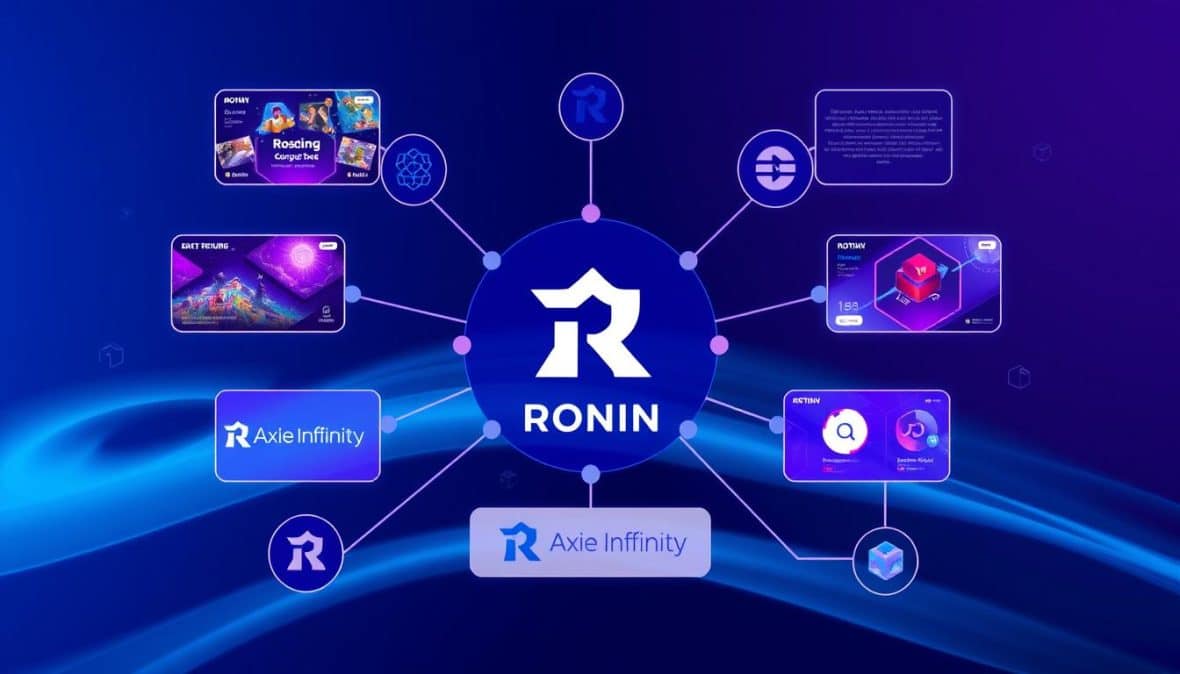
Katana staking works by locking KAT to receive either vKAT or avKAT, which direct KAT emissions to liquidity pools and earn a share of trading fees and vault revenue. vKAT is a hands-on, non-transferable position; avKAT is a liquid, auto-managed version. Both run on Katana Network, an Ethereum Layer-2, through the official staking app at app.katana.network/stake.
Key takeaways
- Lock KAT to get vKAT (manual voting and claims) or avKAT (automated, liquid).
- vKAT holders vote on gauges to steer KAT emissions to specific pools and earn fees from those pools.
- Exiting uses a 60-day cooldown; leaving early carries a penalty, starting at 25% on day 0 and falling to 2.5% by day 60.
- Exit fees are redistributed to remaining active vKAT holders.
- Always stake through the official app and verify chain ID 747474.
vKAT vs avKAT: which should you choose?
| Feature | vKAT | avKAT |
|---|---|---|
| Form | Non-transferable NFT position | Liquid, transferable token wrapping vKAT |
| Voting | Manual gauge voting each epoch | Automated voting by vault strategy |
| Rewards | Claimed manually (USDC, WETH, WBTC, KAT) | Auto-compounded |
| Exit | 60-day cooldown | Instant DEX sale or 60-day redemption |
| Best for | Active voters who want control | Hands-off holders who want liquidity |
Choose vKAT if you want to direct emissions yourself and claim specific reward tokens. Choose avKAT if you would rather hold a liquid token that votes and compounds automatically. New to staking generally? Start with our crypto staking explainer.
How gauge voting and rewards work
vKAT holders vote on gauges to decide which liquidity pools receive KAT emissions each epoch. Currently this covers Sushi pools, with expansion planned to Morpho and other yield protocols. The flywheel is simple: emissions attract liquidity, liquidity drives volume, volume generates fees, and those fees return to the voters who directed emissions there.
vKAT voters earn three streams:
- Vote incentives (bribes) from projects that want emissions on their pool.
- Trading fees from the pools they voted for.
- Redistributed exit fees from holders who unstake early.
vKAT rewards are claimed manually each epoch via the Merkl platform. avKAT skips the manual step by auto-compounding everything back into the position. To understand where the underlying yield originates, see our VaultBridge and AUSD guide.

Exit fees and cooldown
Unstaking is deliberately friction-heavy to discourage mercenary capital. The exit penalty scales with how long you wait through the 60-day cooldown:
| Day in cooldown | Exit fee |
|---|---|
| Day 0 (immediate) | 25% |
| Day 30 | ~13.8% |
| Day 60 (full cooldown) | 2.5% |
All exit fees are redistributed in real time to remaining active vKAT holders, so patient stakers are paid by impatient ones.
Risks to understand before staking
- Smart-contract risk — staking contracts can have vulnerabilities; only use audited official contracts.
- Vote concentration — early stakers can hold outsized voting power.
- avKAT liquidity — an instant DEX exit depends on available avKAT liquidity and may move the price.
- Early-exit penalty — leaving on day 0 costs 25% of your position.
None of this is financial advice. Verify everything against the official Katana staking docs and start small.
Frequently asked questions
How do I stake KAT?
Connect an EVM wallet to the official staking app at app.katana.network/stake, confirm you are on Katana Network (chain ID 747474), and lock KAT to mint vKAT or deposit into the avKAT vault.
What is the difference between vKAT and avKAT?
vKAT is a non-transferable position with manual voting and reward claims. avKAT is a liquid, transferable token that votes and compounds automatically and can be sold on a DEX or redeemed over 60 days.
What happens if I unstake early?
Early exit during the 60-day cooldown carries a penalty: 25% on day 0, about 13.8% on day 30, and 2.5% by day 60. The fees are redistributed to remaining active vKAT holders.
Where do staking rewards come from?
Rewards come from vote incentives, trading fees from voted pools, and redistributed exit fees, on top of base yield from VaultBridge and AUSD.
