Alabama Gambling Reform Stalls Again, But Rep. Blackshear Says the Fight Isn’t Over
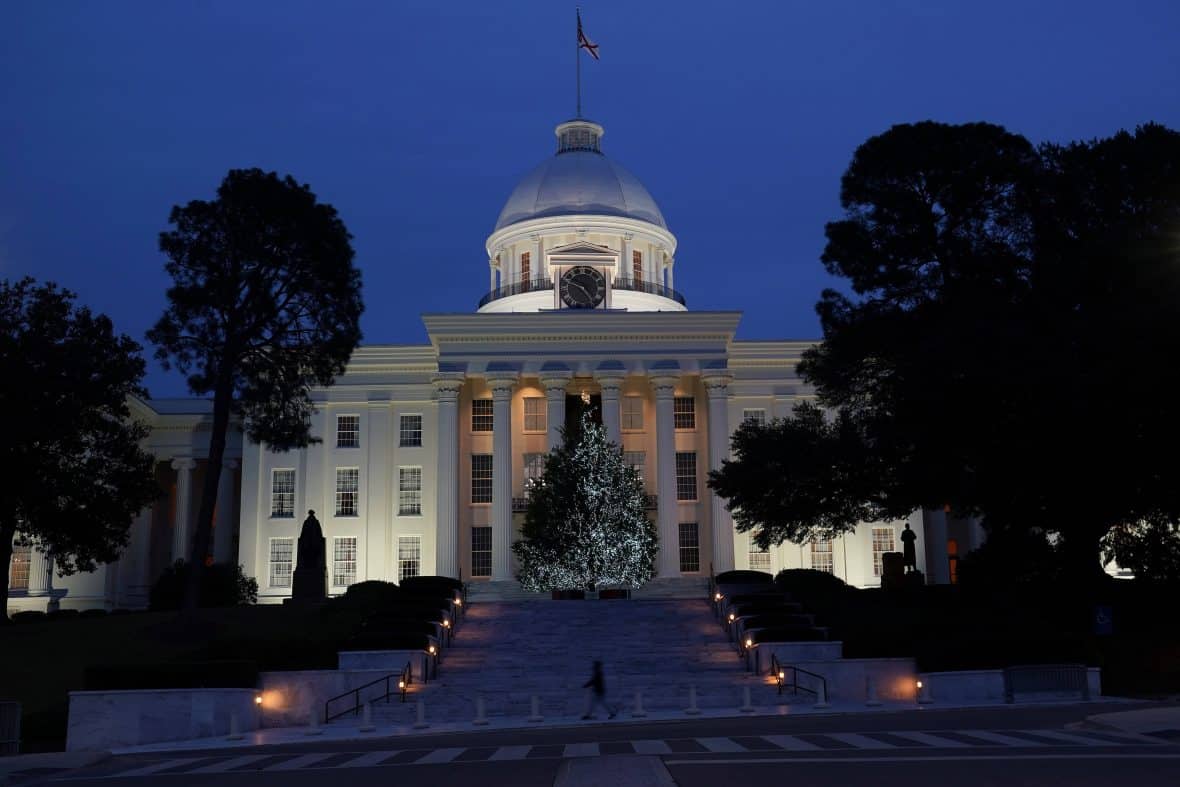
Alabama remains one of the strictest anti-gambling states in the country, but Rep. Chris Blackshear believes that won’t last. After two consecutive legislative sessions ended without a single gambling bill passing, Blackshear is signaling that the next legislature will take another run at reform, backed by tens of millions in industry money and a growing illegal gaming problem the state can no longer ignore.
Rep. Blackshear Predicts Gambling Reform Returns to Alabama Legislature
The Lawmaker Making the Call
Alabama Rep. Chris Blackshear, a Republican who has been one of the more vocal figures on gambling reform in Montgomery, told reporters in July 2026 that he anticipates future legislative discussions on the issue despite back-to-back failures in the 2025 and 2026 sessions [1]. Blackshear’s confidence is notable because Alabama’s legislature has been trying and failing to pass gambling legislation for years, with each attempt collapsing under the weight of competing interests and constitutional hurdles.
Alabama is one of only a handful of states that still bans nearly all forms of commercial gambling, including sports betting, casino gaming, and lottery operations. Any permanent legalization requires a constitutional amendment, which means a statewide referendum, not just a legislative vote. That single procedural reality has made every reform attempt a two-step process that demands both legislative supermajority support and public approval.
Blackshear’s prediction carries weight because he sits at the intersection of the House’s commercial gambling faction and the broader Republican caucus that controls Alabama’s legislative agenda. His read on the political temperature matters more than most.
The Two Forces Driving Reform Pressure
Two specific pressures are pushing Alabama toward eventual action. First, illegal gaming machines, often called video gaming terminals or VGTs, have proliferated across the state in gas stations, convenience stores, and truck stops. Alabama law enforcement agencies have conducted hundreds of raids over the past five years, but the machines keep returning because the profit margins are enormous and the legal penalties remain manageable for operators.
Second, Alabama’s state budget is watching hundreds of millions of dollars in potential tax revenue flow to neighboring states every year. Tennessee collected over $200 million in sports betting tax revenue in fiscal year 2024 alone, and Georgia launched its own legal sports betting market in 2024 after years of resistance. Alabama residents are already betting legally, just not in Alabama [1].
The combination of unregulated illegal gaming and lost tax revenue is the argument Blackshear and other reform advocates use most frequently. It reframes legalization not as moral permissiveness but as fiscal pragmatism, a framing that plays better with Alabama’s conservative electorate.
$9.3 Million Spent, Zero Laws Passed: The Industry’s Alabama Problem
DraftKings and FanDuel’s Massive Political Investment
Sports betting operators did not sit on the sidelines during Alabama’s 2026 Republican primaries. DraftKings and FanDuel, along with allied political action committees, invested over $9.3 million supporting candidates favorable to gambling expansion in those primaries [1]. That figure is extraordinary for a state-level primary cycle and signals how seriously the industry views Alabama as a target market.
Alabama has a population of approximately 5.1 million people. Industry analysts estimate a fully legal Alabama sports betting market could generate between $150 million and $250 million in annual gross gaming revenue based on comparable per-capita figures from Tennessee and Mississippi. For DraftKings and FanDuel, which together control roughly 70% of the U.S. sports betting market, Alabama represents a significant untapped revenue pool.
Spending $9.3 million to shape a primary electorate is a long-game strategy, not a short-term lobbying play. The operators are trying to install a legislature that will pass a bill, not just lobby an existing one that won’t.
Why the House and Senate Keep Killing Each Other’s Bills
The structural deadlock in Alabama’s legislature is not about whether to legalize gambling. It is about who controls the market once gambling is legal. The Alabama House has consistently pushed for a broad commercial sports betting framework that would allow national operators like DraftKings, FanDuel, and BetMGM to compete openly in the state. The Alabama Senate has pushed back with a more limited model that centers on the Poarch Band of Creek Indians, the federally recognized tribe that already operates three electronic bingo facilities in Alabama under the names Wind Creek Atmore, Wind Creek Montgomery, and Wind Creek Wetumpka.
The Poarch Band of Creek Indians holds a unique legal position in Alabama. Their facilities operate under federal Indian gaming law, which gives them a degree of protection that state law cannot easily override. The Senate’s preference for a tribal-focused model reflects both legal pragmatism and the political influence the Poarch Band has built over decades of operating in the state. The House’s commercial model, by contrast, would open the market to national operators and potentially undercut the tribe’s existing advantage.
Neither chamber has been willing to fully adopt the other’s framework, and that impasse has killed every bill since at least 2021. The 2025 session ended without a floor vote on any gambling measure. The 2026 session repeated the pattern. Blackshear’s optimism for the next legislature rests on the hope that the $9.3 million in primary spending has shifted the Senate’s composition enough to break the deadlock.
Alabama vs. Its Neighbors: A 2026 Sports Betting Comparison
| State | Sports Betting Status | Tax Rate | Launch Year |
|---|---|---|---|
| Alabama | Illegal | N/A | N/A |
| Tennessee | Legal (online only) | 20% of handle | 2020 |
| Georgia | Legal (online) | 20% of GGR | 2024 |
| Mississippi | Legal (retail only) | 12% of GGR | 2018 |
| Florida | Legal (Seminole Tribe) | Tribal compact | 2021 (relaunched 2023) |
Every state bordering or near Alabama has moved on sports betting. Tennessee launched a fully online market in 2020 and generated over $200 million in tax revenue in fiscal year 2024. Georgia, after years of failed attempts that mirrored Alabama’s own dysfunction, finally launched legal online sports betting in 2024. Mississippi has offered retail sports betting at its Gulf Coast casinos since 2018, though its refusal to allow mobile wagering has limited revenue growth significantly.
Florida’s model is the one the Alabama Senate most closely resembles in its preferred approach. Florida’s 2021 compact with the Seminole Tribe of Florida granted the tribe a monopoly on sports betting, which survived a lengthy legal challenge and relaunched in 2023. The Seminole model generated over $2.5 billion in gaming revenue for the tribe in fiscal year 2024, demonstrating the financial scale of a tribal-controlled market in a large Southern state.
Alabama is now the only state in the Southeast with no legal lottery, no legal sports betting, and no legal commercial casino gaming. That isolation is increasingly difficult to justify on fiscal grounds, which is precisely the argument Blackshear and reform advocates are pressing hardest.
The timeline of Alabama’s failed reform attempts tells its own story. A comprehensive gambling bill collapsed in 2021 after passing the House but stalling in the Senate. A 2023 attempt died in committee. The 2025 session produced no floor vote. The 2026 session repeated that outcome. Each failure has been followed by renewed industry investment and another round of primary-cycle spending designed to change the math in Montgomery.
[PLACEHOLDER: IMAGE_2]
What Alabama’s Gambling Stalemate Means for Sports Bettors Right Now
For the roughly 5.1 million residents of Alabama, the practical reality is straightforward: legal sports betting is not available in-state, and it will not be available until at least 2027 at the earliest, assuming a bill passes in the next legislative session and a statewide referendum follows. That timeline is optimistic. A more realistic scenario puts legal Alabama sports betting no earlier than 2028.
Alabama residents who want to bet legally on sports currently have two options. They can cross state lines into Tennessee, Georgia, or Mississippi to place legal wagers, or they can use offshore betting sites that operate outside U.S. regulatory frameworks. Neither option generates a single dollar of tax revenue for Alabama’s state budget, and the offshore market carries meaningful consumer protection risks that a regulated domestic market would eliminate.
For online casino and gaming enthusiasts tracking state-by-state legalization, Alabama represents one of the last major untapped markets in the South. A legal Alabama sports betting launch would almost certainly attract all major operators, including DraftKings, FanDuel, BetMGM, Caesars Sportsbook, and ESPN Bet, given the industry’s demonstrated willingness to spend $9.3 million just to influence a primary election. The competitive intensity of an Alabama launch would likely produce aggressive welcome bonus offers and promotional spending as operators fight for market share in a newly opened state. For context on how operators compete in newly legal markets, see our breakdown of top sports betting bonuses and promotions available to U.S. players.
The illegal gaming machine problem also has direct implications for players. VGTs operating outside any regulatory framework offer no consumer protections, no guaranteed payout percentages, and no recourse for disputes. Legalization advocates argue that bringing gaming into a regulated environment protects players as much as it benefits the state budget. That argument resonates with gaming-focused audiences who understand the difference between a licensed, audited platform and an unregulated machine in a gas station. For players interested in understanding how regulated gaming platforms differ from unregulated alternatives, our guide to licensed online casino platforms covers the key distinctions.
Key Takeaways
- Alabama Rep. Chris Blackshear stated in July 2026 that he expects gambling reform to return to the legislature after bills failed in both the 2025 and 2026 sessions.
- DraftKings and FanDuel spent over $9.3 million in Alabama’s 2026 Republican primaries supporting candidates favorable to gambling expansion.
- The core legislative deadlock pits the House’s commercial sports betting model against the Senate’s preference for a limited, tribal-focused framework centered on the Poarch Band of Creek Indians.
- Alabama is the only state in the Southeast with no legal lottery, no legal sports betting, and no legal commercial casino gaming as of mid-2026.
- Any permanent gambling legalization in Alabama requires a constitutional amendment, meaning a statewide referendum must follow any legislative approval.
- Tennessee generated over $200 million in sports betting tax revenue in fiscal year 2024, illustrating the scale of revenue Alabama is forgoing annually.
- A realistic timeline for legal Alabama sports betting, if a bill passes in the next session, is no earlier than 2028 given the referendum requirement.
Frequently Asked Questions
Is sports betting legal in Alabama in 2026?
No. Sports betting remains illegal in Alabama as of 2026. The Alabama legislature failed to pass gambling reform bills in both the 2025 and 2026 sessions. Rep. Chris Blackshear has indicated he expects the issue to return in the next legislative session, but no legal market exists in the state currently.
What is stopping Alabama from legalizing gambling?
Two main obstacles block Alabama gambling legalization. First, the Alabama House and Senate cannot agree on a framework, with the House favoring a commercial market and the Senate preferring a tribal-focused model centered on the Poarch Band of Creek Indians. Second, any permanent legalization requires a constitutional amendment, which demands both a legislative supermajority and a statewide public referendum.
How much did DraftKings and FanDuel spend in Alabama?
DraftKings, FanDuel, and allied political action committees spent over $9.3 million in Alabama’s 2026 Republican primaries supporting candidates favorable to gambling expansion, according to reporting by Covers.com [1]. This represents one of the largest state-level primary investments by sports betting operators in U.S. history.
Who are the Poarch Band of Creek Indians and why do they matter to Alabama gambling?
The Poarch Band of Creek Indians is the only federally recognized Native American tribe in Alabama. The tribe operates three electronic bingo facilities under the Wind Creek brand in Atmore, Montgomery, and Wetumpka. Their federal status gives them legal protections under the Indian Gaming Regulatory Act, and the Alabama Senate has consistently favored a gambling framework that preserves or expands the tribe’s central role in any legal market.
When could Alabama sports betting launch if a bill passes in 2027?
If Alabama’s legislature passes a gambling bill in the 2027 session and voters approve a constitutional amendment in a subsequent referendum, the earliest realistic launch date for legal Alabama sports betting would be 2028. The referendum process, regulatory setup, and operator licensing typically take 12 to 18 months after legislative approval.
The Bottom Line
Alabama’s gambling reform saga is not a story about whether legalization will happen. It is a story about when, and who wins when it does. Rep. Chris Blackshear’s July 2026 prediction reflects a genuine shift in the political environment, one shaped by $9.3 million in industry spending, a growing illegal gaming problem, and the increasingly hard-to-ignore spectacle of neighboring states collecting hundreds of millions in tax revenue that Alabama is leaving on the table.
The House-Senate deadlock over commercial versus tribal control is the real obstacle, not public opposition or moral objection. The Poarch Band of Creek Indians and national operators like DraftKings and FanDuel are fighting over the terms of a market that both sides know is coming. The question is which legislative session finally produces a compromise, and whether the $9.3 million in primary spending bought enough Senate votes to break the pattern of failure that has defined Alabama gambling politics since 2021.
For bettors, operators, and anyone tracking the final frontier of U.S. sports betting legalization, Alabama is the state to watch. When it moves, it will move fast, and the operators who spent years and millions positioning themselves for that moment will be ready to launch within weeks. The only people still waiting are the 5.1 million Alabamians who have been told, session after session, that their legislature will get to it eventually. Blackshear says eventually is getting closer. The calendar will decide if he’s right. For more on how newly legal U.S. betting markets develop, check out our analysis of state-by-state sports betting legalization trends.
Ready to Bet on Sports in Legal U.S. Markets?
Explore Top-Rated Sportsbooks Now
18+ | Play Responsibly | T&Cs Apply
Sources
- Covers.com – Alabama Rep. Chris Blackshear expects future legislative action on gambling reform; $9.3 million in operator spending during 2026 Republican primaries; 2025 and 2026 session failures confirmed.
